Watercolour Styles - Week 7 - East Asian Brush Painting
Posted: Monday, 6 April 2026 @ 12:40


|
| | | | | |
| |
| |
| In our penultimate newsletter on different art styles we head to the East and have a look at East Asian brush painting. One of the wonderful things about art is the way that it evolves and is applied across different cultures. Easten Asian brush painting stems from a tradition rooted in calligraphic brushwork, simplicity and expressive mark-making, often using ink and subtle colour.
What is it about?
East Asian brush painting (think Chinese shan shui and Japanese sumi-e) is about capturing the essence of a subject with the fewest possible strokes. Every mark is intentional, and negative space is just as important as painted forms.
What makes it unique - Brush language: Each stroke is loaded with meaning. The pressure, speed, and direction of the application all matter and can be used to convert the state of mind of the artists at the time
- Negative space: The unpainted paper is a key and active part of the composition, often used to suggest mist, water or sky.
- Value and edge control: Subtle changes in tone and edge softness create depth and atmosphere with minimal detail.
- Monochrome or limited palette: Many works use only black ink or a few colours, emphasising simplicity and restraint.
- Focus on process: The act of painting is meditative and mindful, with an emphasis on flow and rhythm.
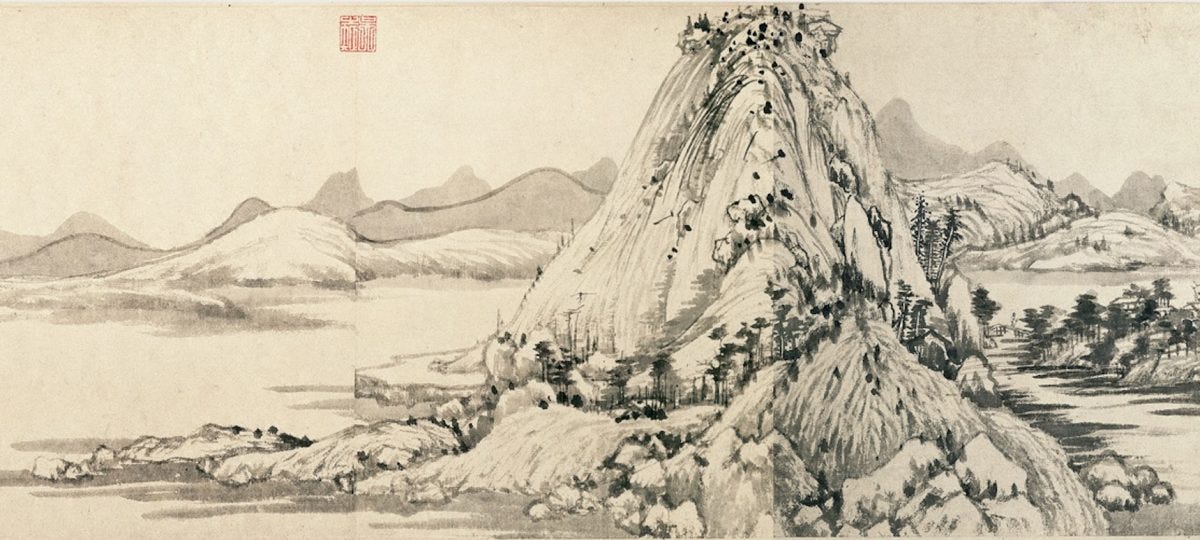
Some examples of the style: - Chinese shan shui: Traditional mountain-water landscapes that use sweeping brushwork and elegant composition to evoke vast spaces.
- Japanese sumi-e: Ink painting traditions where a single brushstroke can define a branch, leaf, or entire scene. These are notable for the minimal tools required to produce beautiful images
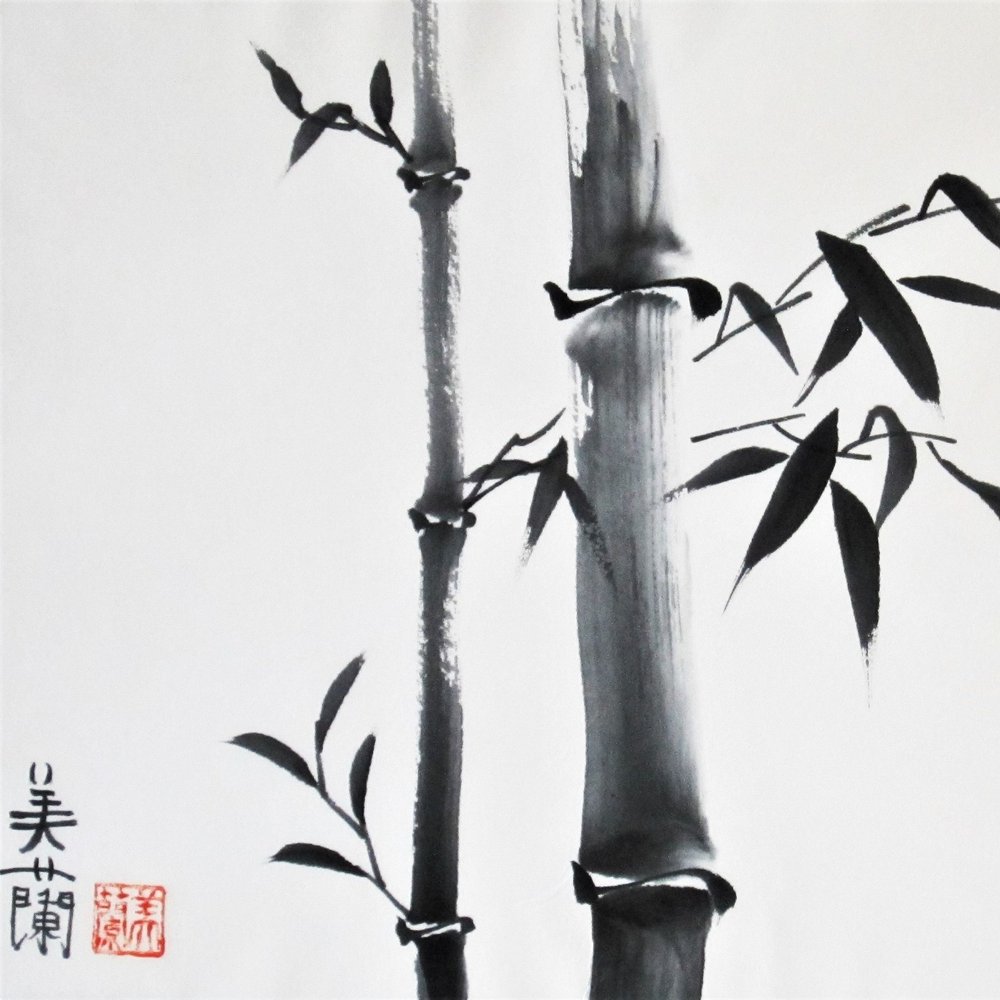
Fancy a go? - Choose a simple subject such as bamboo, grasses or a branch.
- Use just one colour or black ink. Focus on varying pressure and speed to create expressive stroke
- Leave plenty of white paper to let the empty space breathe.
See how a single stroke can suggest life and movement.
Happy Painting!
Martin
|
| To unsubscribe, click here |