Watercolour Styles Week 6 - Abstract
Posted: Monday, 6 April 2026 @ 12:38


|
| | | | | |
| |
| |
| In week 6 of our tour of artistic styles let’s step away from representation and explore abstract and colour-field watercolour, where shape, rhythm, and colour relationships take centre stage.
What this style is
Abstract watercolour is all about expression through form and colour. Where in expressionism the artists were painting emotive representations of a subject, in abstract painting we use washes, shapes, and edges to create mood, movement and balance. 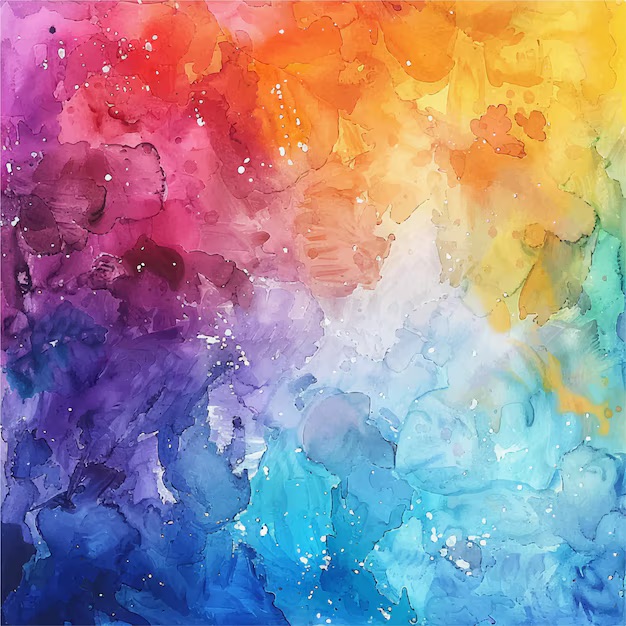
What makes it unique - Composition first: The arrangement of shapes, lines and spaces is the main focus.
- Colour interaction: Edges, blooms and transparency become the subject. The way that colours mix and overlap is as important as the shapes themselves.
- Process-led painting: There’s often no plan, rather the painting evolves as you go, responding to what happens on the paper.
- Emphasis on mood: The overall feeling or atmosphere is more important than any literal subject.
- Freedom from rules: There’s no right or wrong. Simply experiment and see where the paint takes you and how it makes you feel!
A few historic names to explore - Wassily Kandinsky: We covered Kandinsky in our Expressionism newsletter, however a lot of his work would also be considered abstract as they are full of playful shapes, vibrant colour, and musical rhythm. This is great example of how in Art there are often very blurred lines between one style and another. The most important element is the enjoyment and satisfaction you feel as you find and develop your own!
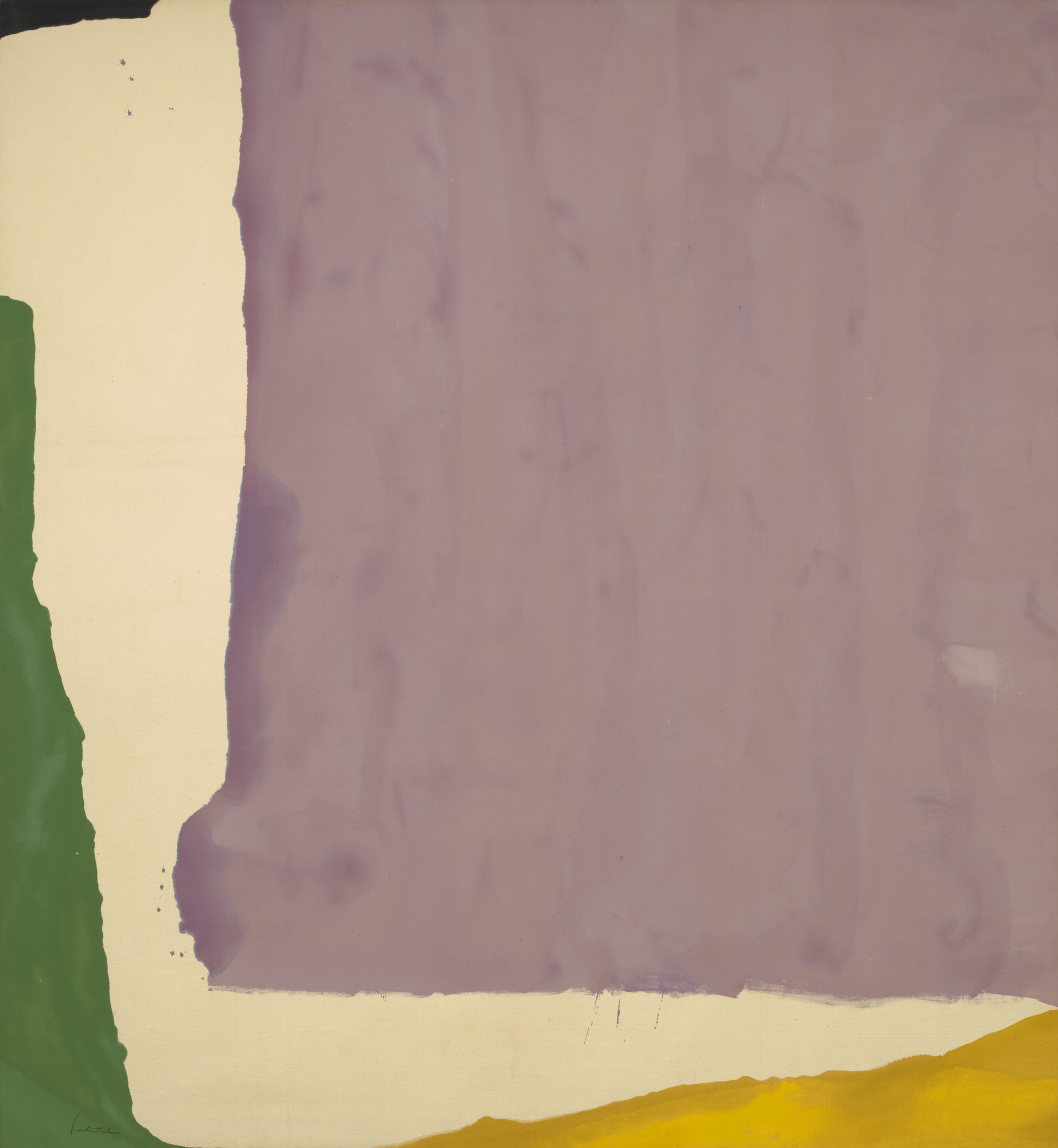
- Helen Frankenthaler: Known for her soak-stain technique, Frankenthaler’s large colour fields and soft edges influenced generations of abstract painters. She exhibited between the 1950's and 2010's and one of her great quotes is ?"One can’t plan how work is going to go, because that’s part of the beauty of it. I think anything original is as much of a shock to the artist as anyone else."
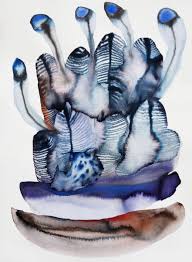
"mauve district" - Emma Larson: Born in Sweden 1977, Larson considers herself self taught and an experimentalist where the creation of her art comes from a flow of energy, memories of nature and freedom. None of it is planned or determined, it is solely intuitive
Fancy a go? - Pick 2–3 colours and wet your paper thoroughly.
- Paint soft-edged shapes, letting the colours mix and flow naturally.
- Focus on balance, movement and how the colours interact—don’t worry about painting anything “real.”
Let yourself discover the image as you work and enjoy the process! Please do share what you try on our Facebook group or reply and send me your result - I'd love to see them Happy Painting
Martin
|
| To unsubscribe, click here |