|
For the final week in our series, we’re exploring illustration and children’s-book watercolour, where storytelling, character and charm take centre stage.
What this style is
Illustration watercolour is about narrative and personality. Artists use clear shapes, expressive lines and soft washes to bring characters, scenes and stories to life, often mixing watercolour with ink or pencil. I'm sure you all have fond memories of those childhood books that you adored or have been reading to your children or grandchildren. Personally I have a fondness for the Quinten Blake (Roald Dahl books) and E H Shepherd (Winnie the Pooh) images! What makes it unique - Readability: Simple and clear shapes with strong focal points guide the viewer’s eye and make the story easy to follow.
- Charming texture: Techniques like granulation, dry-brush and soft washes are used to add warmth and personality.
- Design thinking: The composition supports the story with careful placement of elements and thoughtful use of space.
- Expressive linework: Many artists combine watercolour with lively pencil or ink lines for extra character.
- Limited palette: Fewer colours help create harmony and a cohesive look.
A few historic names to explore - Beatrix Potter: Famous for her naturalistic animal characters and delicate, detailed watercolours, bringing such characters as Squirrel Nutkin and Mrs Tiggy Winkle. Her illustrations have and continue to enchant generations of readers.
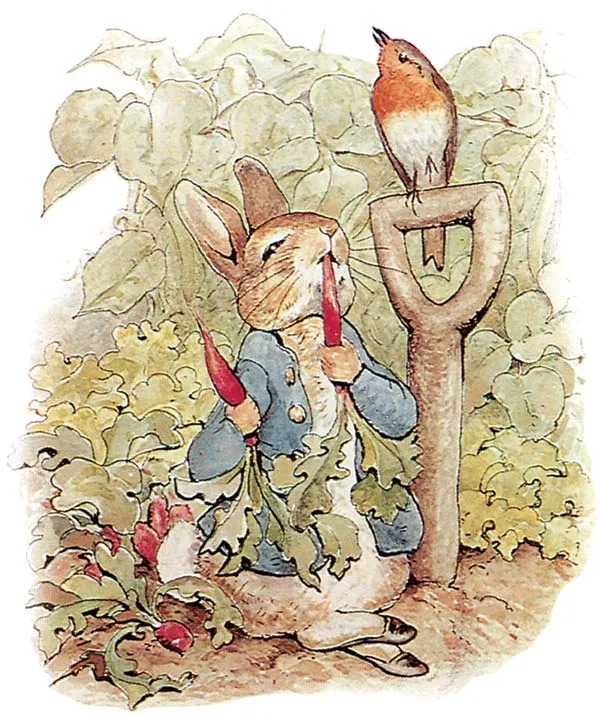
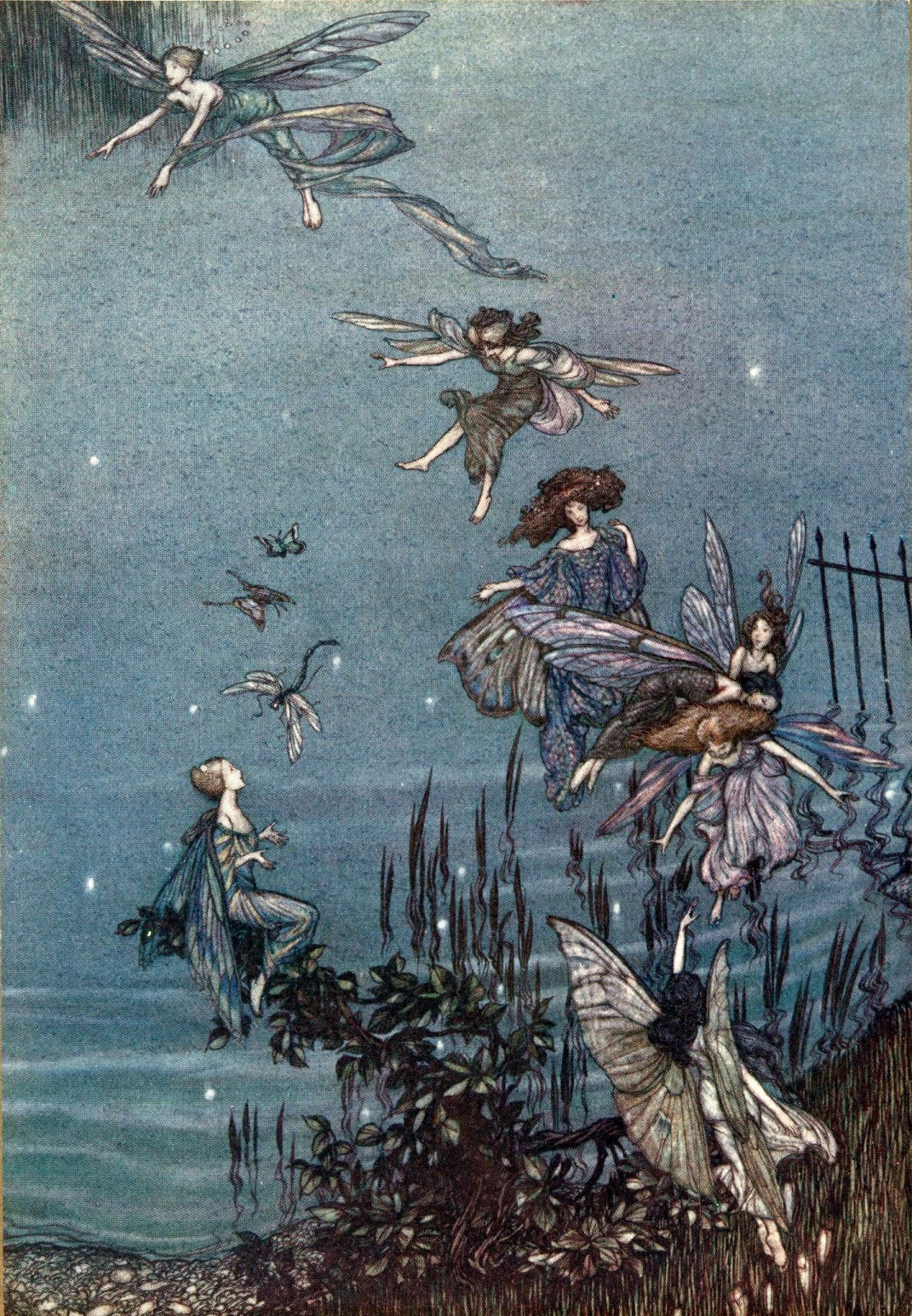
- Arthur Rackham: Known for his atmospheric line-and-wash illustrations, Rackham’s work blended fantasy with a strong sense of design to create iconic fairly tale scenes, sometimes with a dark undertone which was reflective of the fairy fantasy world.
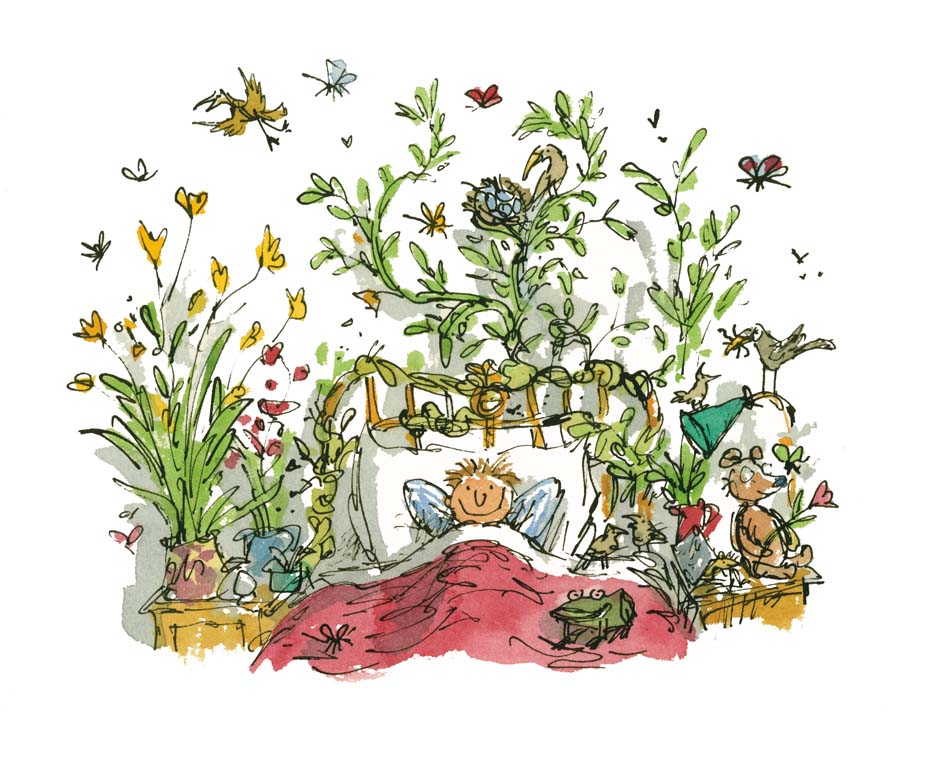
- Quentin Blake: Instantly recognisable for his expressive, energetic lines and light, playful use of colour, Blake’s illustrations are full of movement and joy.
 Fancy a go? - Pick a simple object—a teacup, boots, or a house.
- Give it personality with a few expressive lines or a playful touch of colour.
- Limit yourself to just a few colours for harmony and simplicity.
Focus on telling a story or capturing a mood, rather than perfect realism.
A quick question Thats out for this series - I know there are many other styles that I have not covered but I'll leave them for another series. Please do let me know me know what you would like me to cover in future newsletters - ore detail on one of these styles or exploration of other facets of art and watercolour in general! I enjoy creating these and would love the feedback Happy painting
Martin
|