| Hi and a belated Happy New Year! This weeks blog is a copy of the newsletter that we try and send out each week and we are starting a new series on different watercolour styles. This week is all about the classic English landscape. Think luminous washes, gentle atmosphere, and an unmistakable sense of light.
What this style is
Classic landscape watercolour is primarily all about suggestion rather than description. You’re not trying to paint every leaf or brick. Rather you are aiming to try and capture the feeling of the place. To convey a feeling of what the weather, the distance and the atmosphere is in the scene you are painting 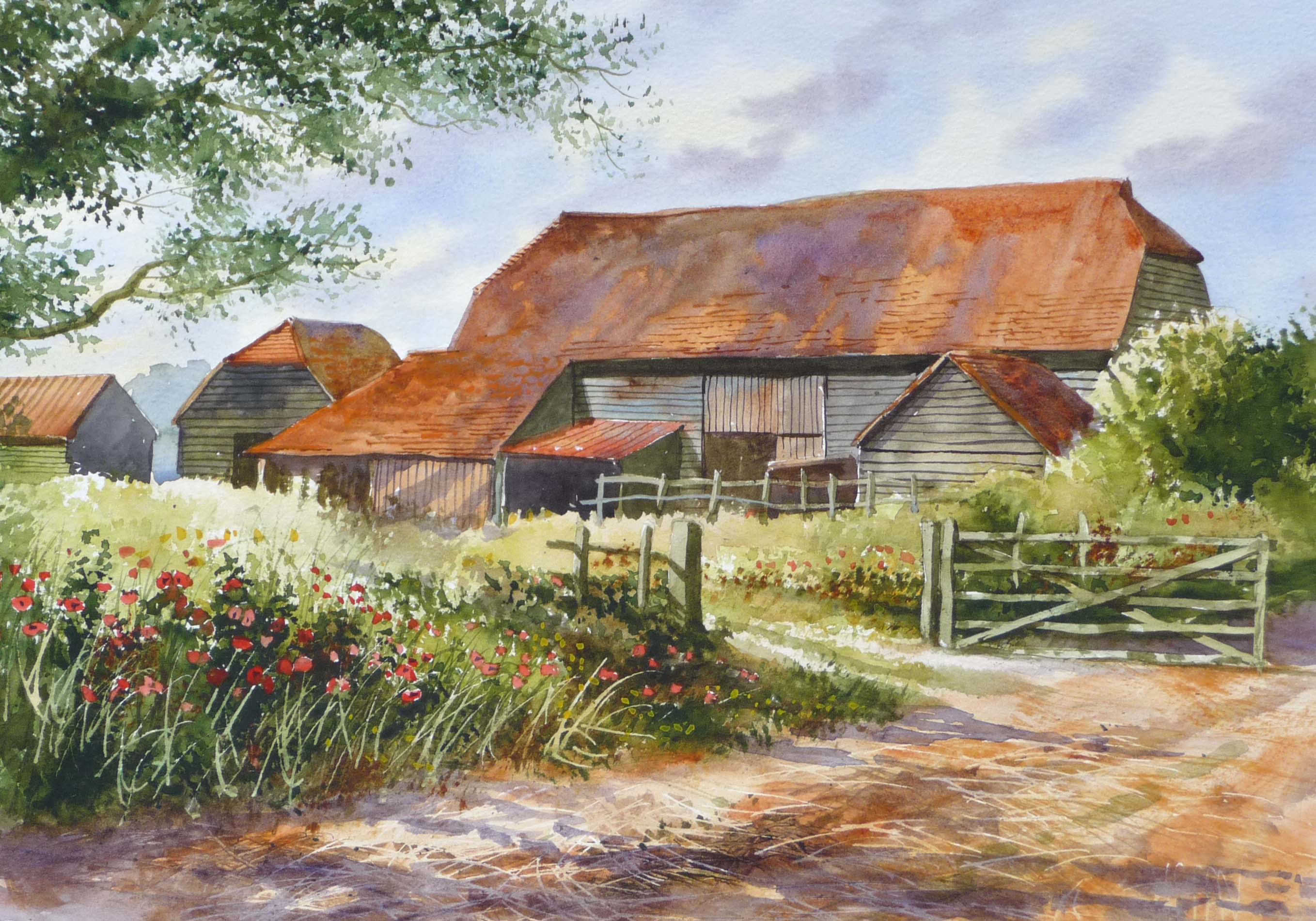
Take this Terry Harrison scene. The sun is obviously from above and to the left creating that dappled shade on the ground which almost appears to be moving. The moody sky has a touch of darker shadow giving us the impression of a blustery and changeable day. Note how Terry has changed the value of the bright red blooms to emphasise those captured in the dappled shade. The atmosphere is all delivered through an attention to the light and its highlights and shadows. You can even tell where Terry has used the paper and masking fluid to deliver bright white highlights. What makes a Classical Landscape Watercolour? Whilst there are many different sub categories within classical landscape, here are a few of the common themes which appear: - Using the bare paper as your brightest highlight: by leaving the raw paper visible it becomes the brightest part of the image which when used effectively (and sparingly), will give the painting a natural luminosity.
- Transparent and layered washes: Washes are applied in a series of layers, gradually building up layers of colour. This means the colours do no overwhelm the painting and keep the painting fresh and airy.
- Soft edges are used to create atmosphere: Distant forms are captured using soft and blended edges. This creates the suggestion of mist, depth, and a gentle haze of more distant scenes.
- A clear value plan: Common to a lot of styles, this basically ensures that general shapes are organised into light, mid, and dark values, The contrast of these gives structure to even the simplest scene.
- A conscious economy of detail: Only the essential elements are described, leaving room for the viewer’s imagination.
- Atmospheric perspective: Subtle shifts in colour and value are used to create a sense of distance and space, especially in the backgrounds and skies
A few historic names to explore - J.M.W. Turner: Known for his dramatic skies and mastery of light, Turner’s late watercolours shimmer with atmosphere, capturing the fleeting effects of weather and time. His innovative approach pushed the medium to new expressive heights.
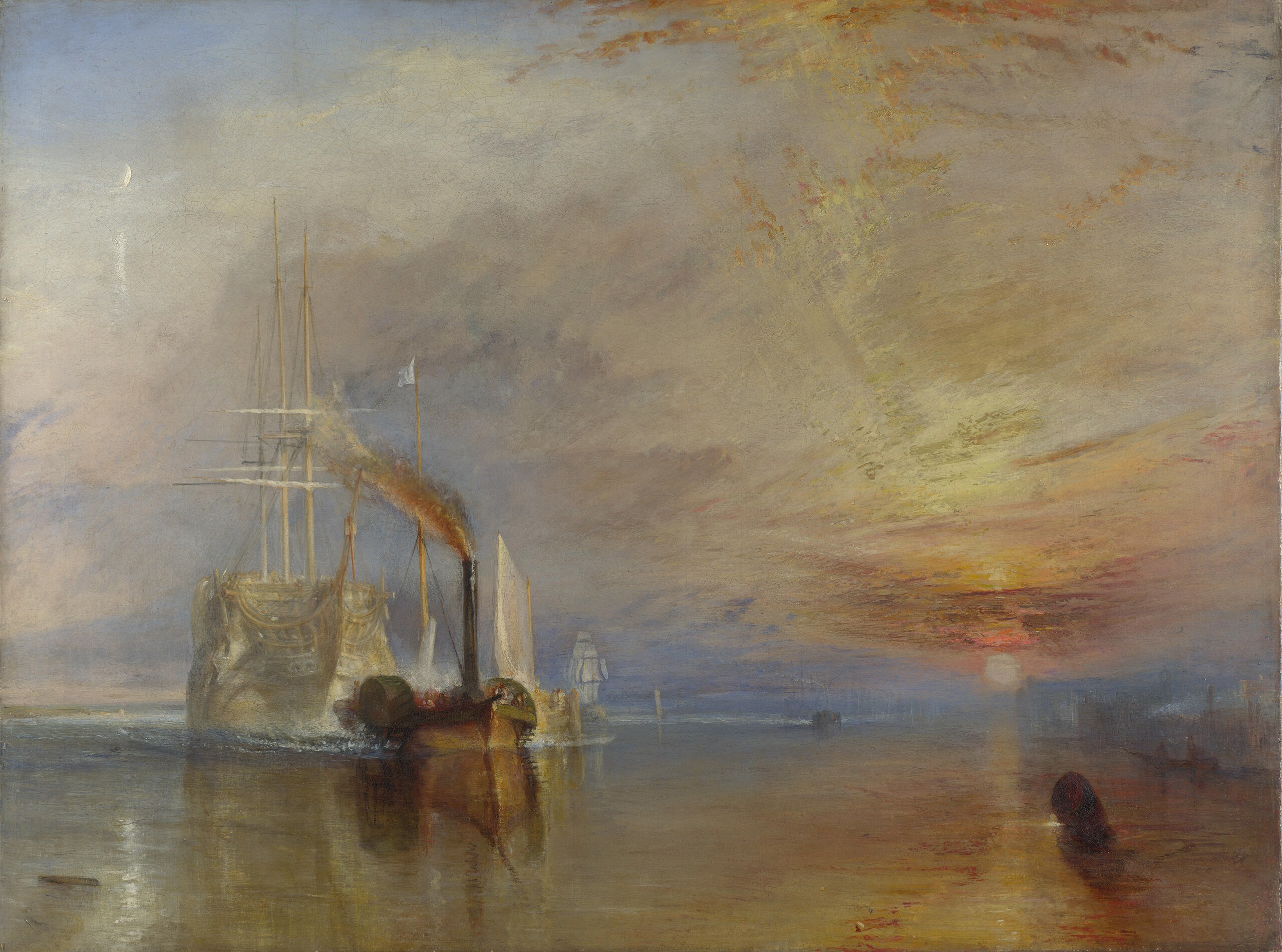
The Fighting Temeraire - Thomas Girtin: A close contemporary of Turner, Girtin brought a fresh, direct approach to landscape, favouring broad washes and a harmonious palette. His work often feels spontaneous and deeply connected to the English countryside.
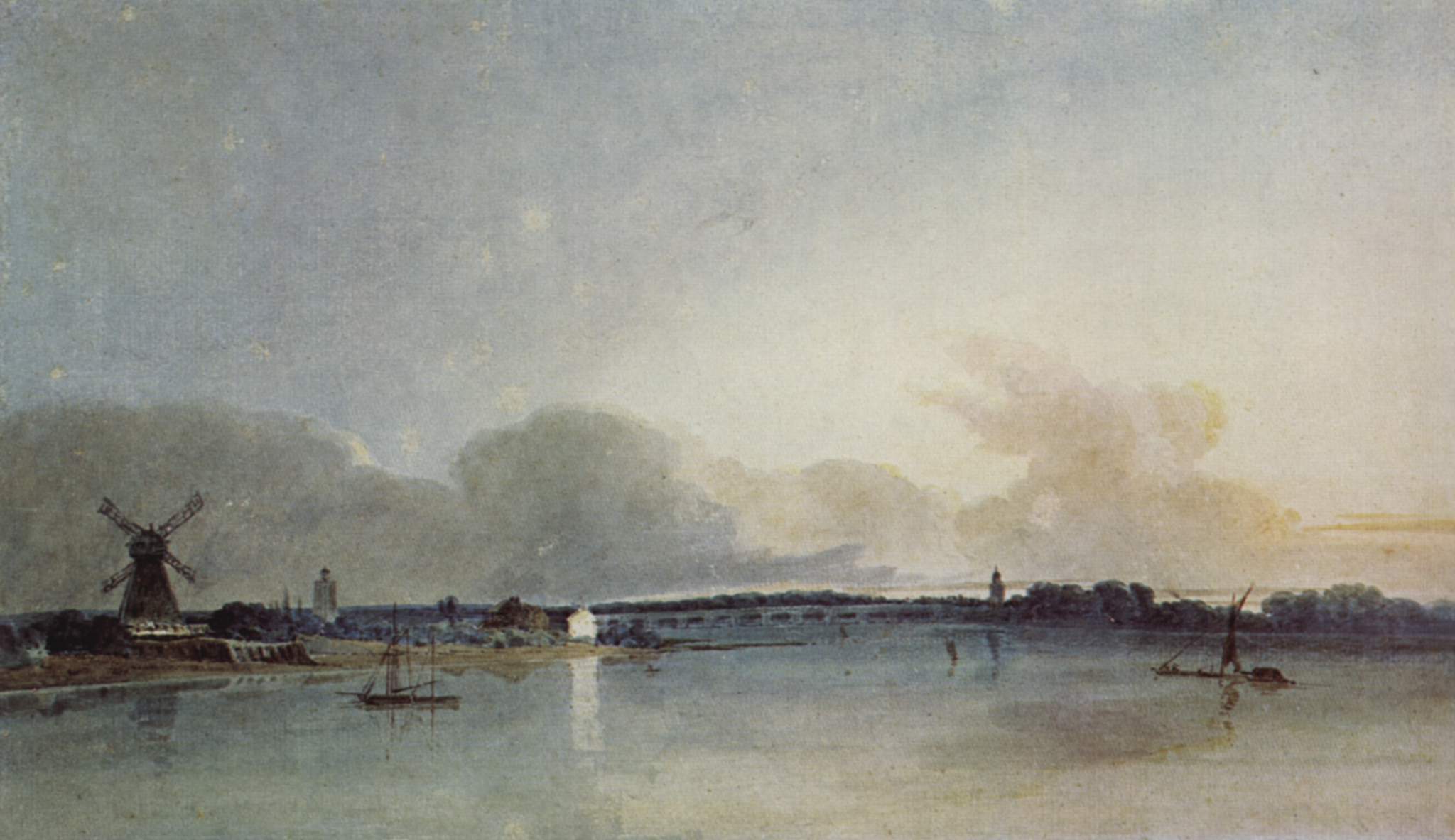
The house at Chelsea - John Sell Cotman: Celebrated for his calm, structured compositions and subtle use of colour, Cotman’s watercolours are models of restraint and clarity. He excelled at simplifying complex scenes into elegant, balanced designs.
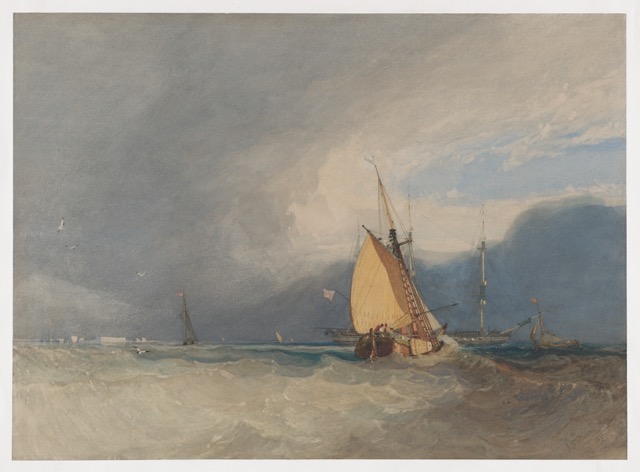
Boats approaching in storm A quick question Tell me what you struggle with most in landscapes:
- skies
- trees
- distance
- buildings
email [email protected] or message upon our socials (links below) I’ll use your replies to look through our archives of Terrys films and publications and see what I can share to help!
Happy Painting
Martin
|